What to check before booking Barcelona tours
@thebarcelonacitytourspot
Barcelona rewards visitors who plan with a little care. The city is compact in some places, spread out in others, and packed with choices that can look similar at first glance. Before committing to barcelona tours, it helps to look beyond the headline and check the details that shape the day. A short review now can prevent rushed transfers, mismatched expectations and time spent standing in the wrong place.
Start with the route and the pace
The first thing to check is what the outing actually covers. Some routes focus on the old streets of the Gothic Quarter, others lean toward Gaudi, the waterfront or viewpoints above the city. A route can sound impressive and still feel too rushed if it tries to cover too much. Read the day by day outline, or ask for a clear description of the stops and the time spent at each one.
Pace matters as much as the places on the page. A walking day over uneven medieval streets may suit someone comfortable with long strolls, while a bike tour can cover more ground with less strain. A scooter tour or segway tour may feel easier on the legs, but each has its own comfort level and riding conditions. Think about who is coming along, including children, older travellers and anyone who prefers a slower rhythm. If the route includes hills, cobblestones or crowded lanes, that should be clear before booking.
Also check where the route begins and ends. A central meeting point is convenient if the day starts near your base, but a distant start can eat into the morning. The same applies at the finish. If the end point is far from where you plan to eat or rest, allow time and transport in the wider plan.
Check the language and the size of the group
A tour can be well designed and still be hard to follow if the language is wrong. Confirm the language used by the guide and whether the description refers to a live guide, recorded commentary or written notes. If a specific level of language matters, ask before paying. A clear explanation in a familiar language often makes the difference between a pleasant day and a blur of names and dates.
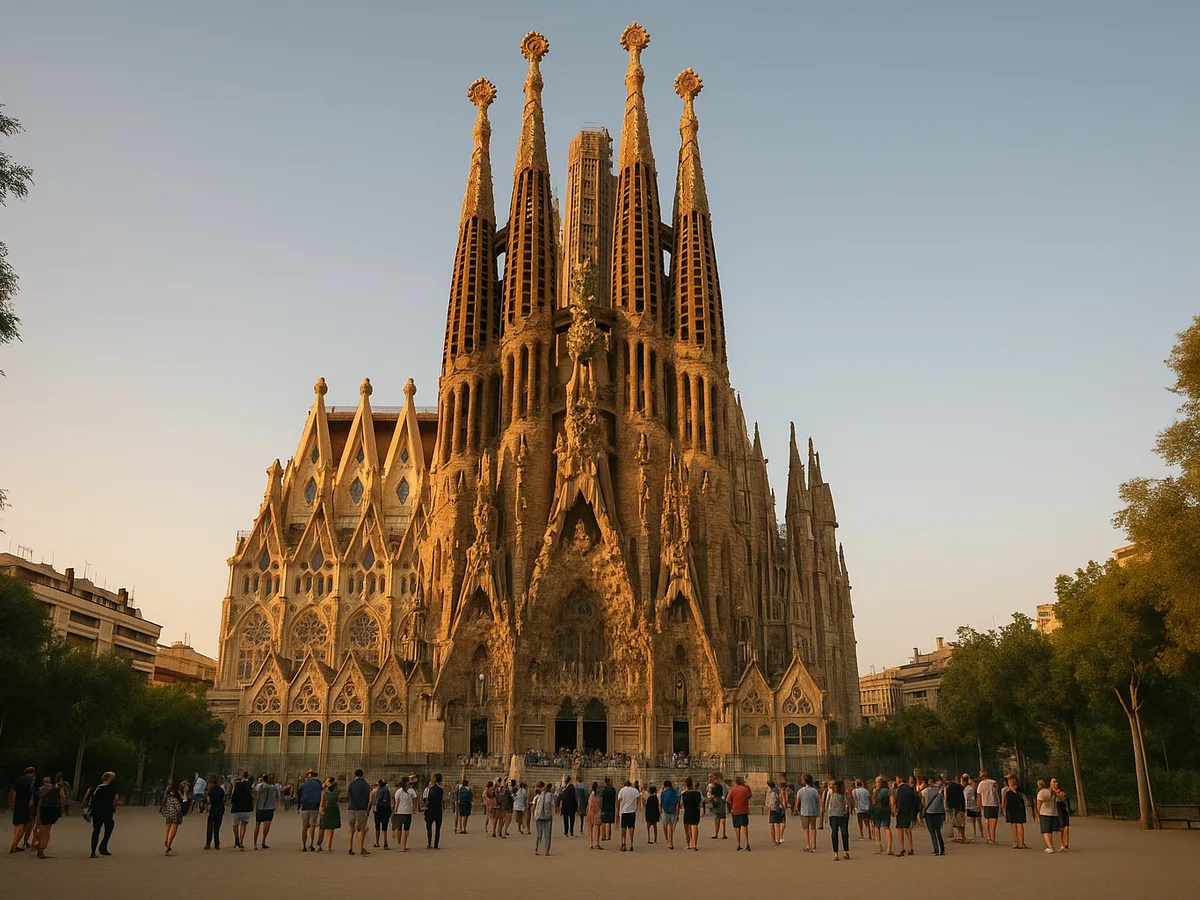
Group size shapes the feel of the outing. Smaller groups tend to allow more questions and easier movement through busy streets. Larger groups can be lively and efficient, but they may require more waiting and careful listening. Neither option is automatically better. The right choice depends on whether the priority is conversation, space, structure or a social atmosphere.
When comparing barcelona tours, look at how the day is managed rather than just the list of sights. A route that pauses for water, shade and free time often feels more balanced than one that moves from stop to stop without a break. In warm months, a midday stretch in direct sun can be tiring, so timing is part of the decision.
Look closely at what is included
Inclusions are easy to skim past, yet they affect the real value of the day. Check whether entry to landmarks is included, and whether any ticket requires a fixed time slot. Some places have restricted entry rules or timed access, which can change how the route runs. If a stop is described only as a view from outside, do not assume indoor access.
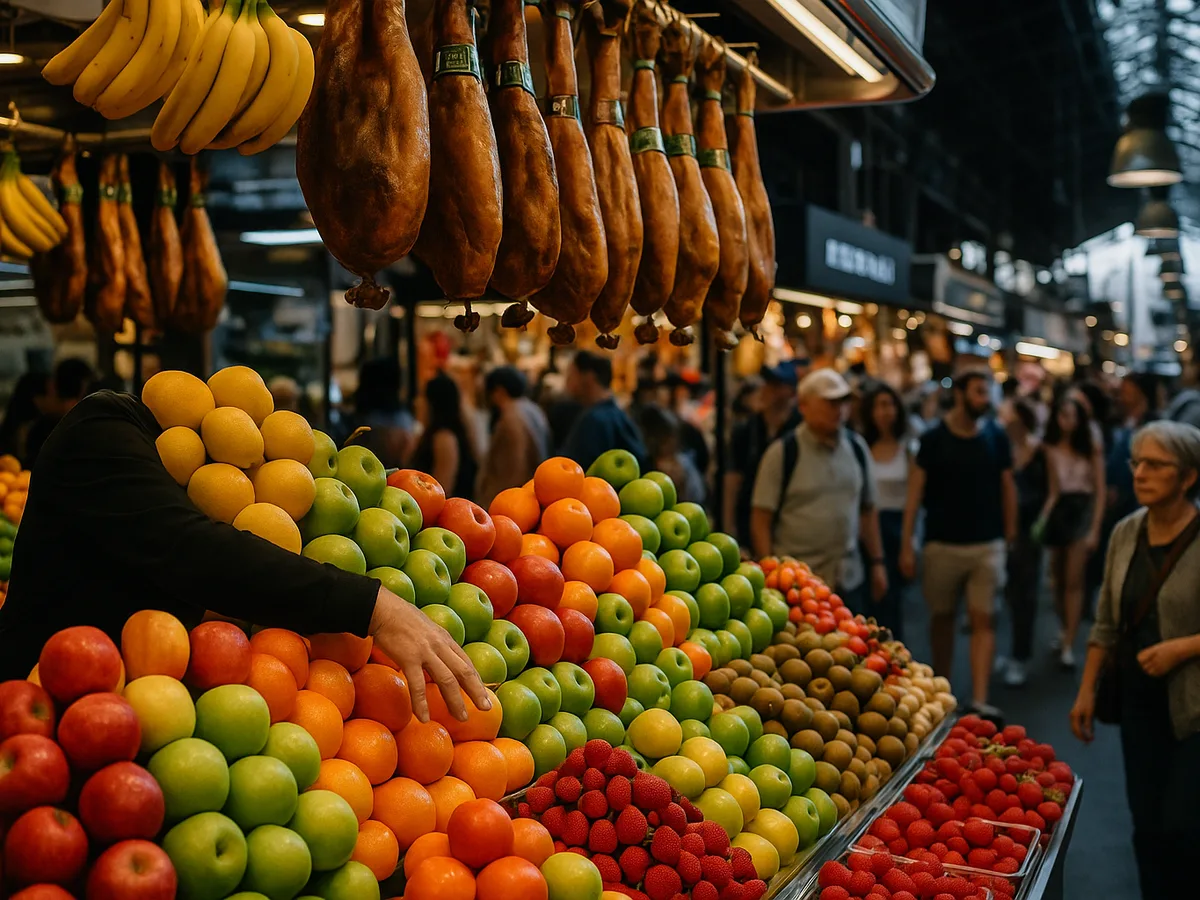
Food and drink are another area where assumptions cause disappointment. A gourmet market visit may involve tasting, a guided walk through stalls or simply time to browse. A stop at boqueria market can be busy and lively, but the experience varies depending on the hour and the route. If tasting is important, confirm it directly. The same applies to a flamenco show, where seat location, duration and the style of performance should be checked in advance.
Transport also deserves attention. A catamaran cruise depends on weather, sea conditions and boarding arrangements. A route through the city may use public transport between stops, or it may be fully on foot. If the plan involves a transfer, check the meeting point and whether travel between stops is included in the pace of the day.
Browsing citytourinbarcelona.com can be useful for seeing how options are presented, but the same careful reading should apply wherever plans are compared. The aim is to match the day to your interests, not to choose the first appealing title.
Confirm timing, access and practical details
Before booking, check the start time, the expected duration and the level of flexibility. A morning start may be quieter at popular sights, while an afternoon or evening option can suit a relaxed schedule. Seasonal changes matter too. Longer daylight gives more room for an evening route, while shorter days can make late starts feel cramped.
Access is another practical point. Historic streets, staircases and older buildings can create barriers for anyone with mobility needs. If the route includes güell palace or other heritage sites, check what can be seen and whether interior access involves steps. It is better to ask plainly than to arrive and find that part of the plan is difficult to follow.
Weather can change the feel of the day. Bring water, sun protection and suitable shoes for walking, especially when the route covers stone streets or open spaces. For a coastal option, check what happens if conditions are poor and how changes are handled. Clear terms around changes help avoid confusion on the day.
Cancellation terms, payment conditions and voucher rules should also be read before confirming. These details are not the most exciting part of planning, but they matter if travel plans shift. Look for plain wording about deadlines, refunds and what must be shown at the start. If anything is unclear, ask for clarification before committing.
Match the day to your interests
A good choice is not always the one with the most famous names. Think about what you want from the experience. Architecture, food, history, views and performance each suit a different mood. A first visit may call for a broad introduction, while a return trip can focus on a single neighbourhood or topic. Families may prefer a route with clear breaks and a manageable pace. Travellers interested in design may want more time around Gaudi sites and less time in crowded squares.
It also helps to compare how similar outings differ. A bike tour usually gives a wider sweep of the city, while a walking route can get closer to small details. A catamaran cruise offers a different view of the coastline and works best when the sea is part of the appeal. A flamenco show suits an evening plan better than a packed morning. These choices are not ranked in a fixed order, they simply serve different purposes.
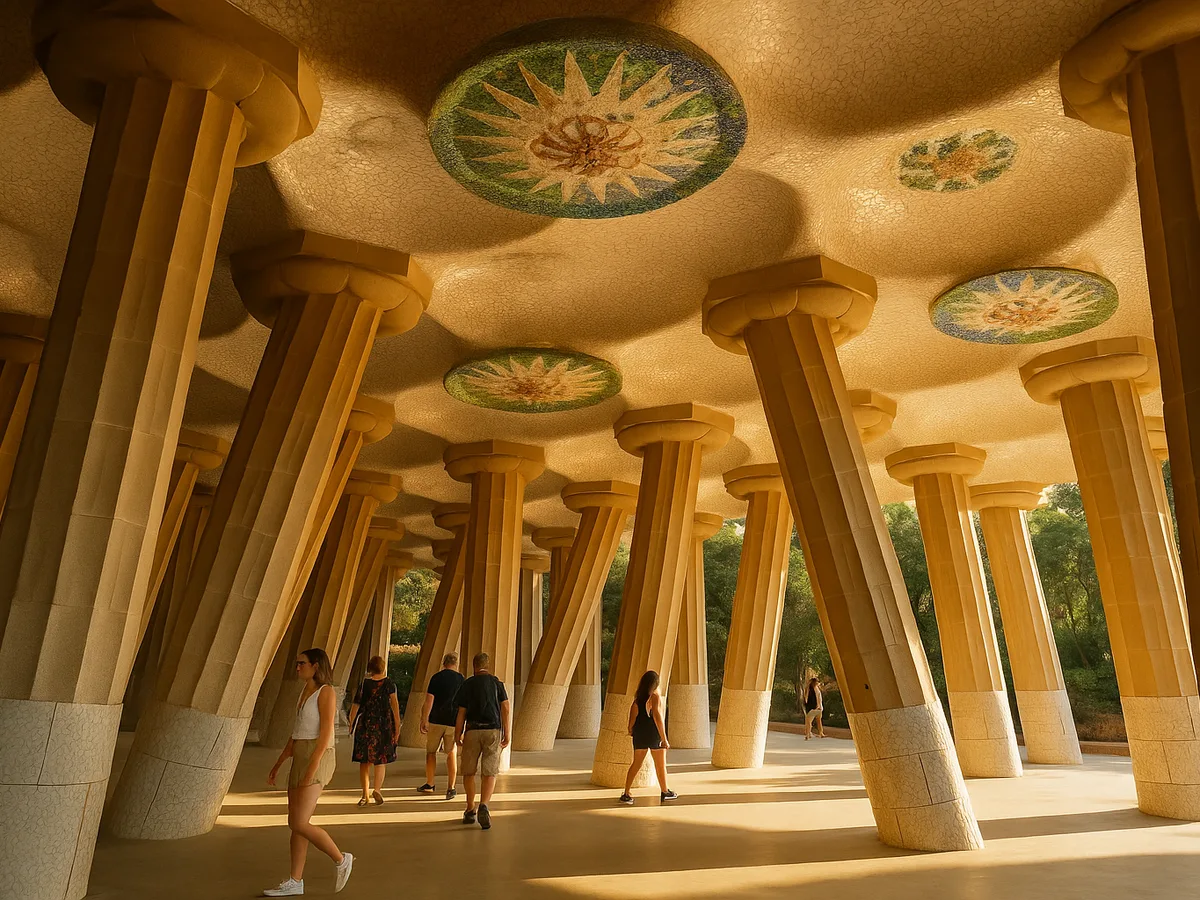
Some visitors like a structured plan with a guide who connects the sights. Others prefer independent time with a clear route and a few trusted suggestions. Both approaches can work. The key is knowing which one fits the way you travel. If you enjoy asking questions, a smaller group and a live guide may be more satisfying. If you like moving at your own pace, a shorter route with free time may be better.
Use the details to make a calm choice
Planning barcelona tours does not need to feel complicated. Check the route, the pace, the language, the group size, the inclusions and the practical terms. Then compare those details with the way you like to spend a day. A clear match usually leads to a smoother experience than a long list of famous stops.
Before you decide, read the description twice and note anything that feels vague. Phrases such as scenic route, highlights or cultural experience can be useful, but they are more helpful when paired with specific stops, timing and access. If the basics are clear, the rest of the planning becomes easier. If they are not, a short question can settle the matter. A little attention at this stage leaves more room to enjoy the city once the day begins.